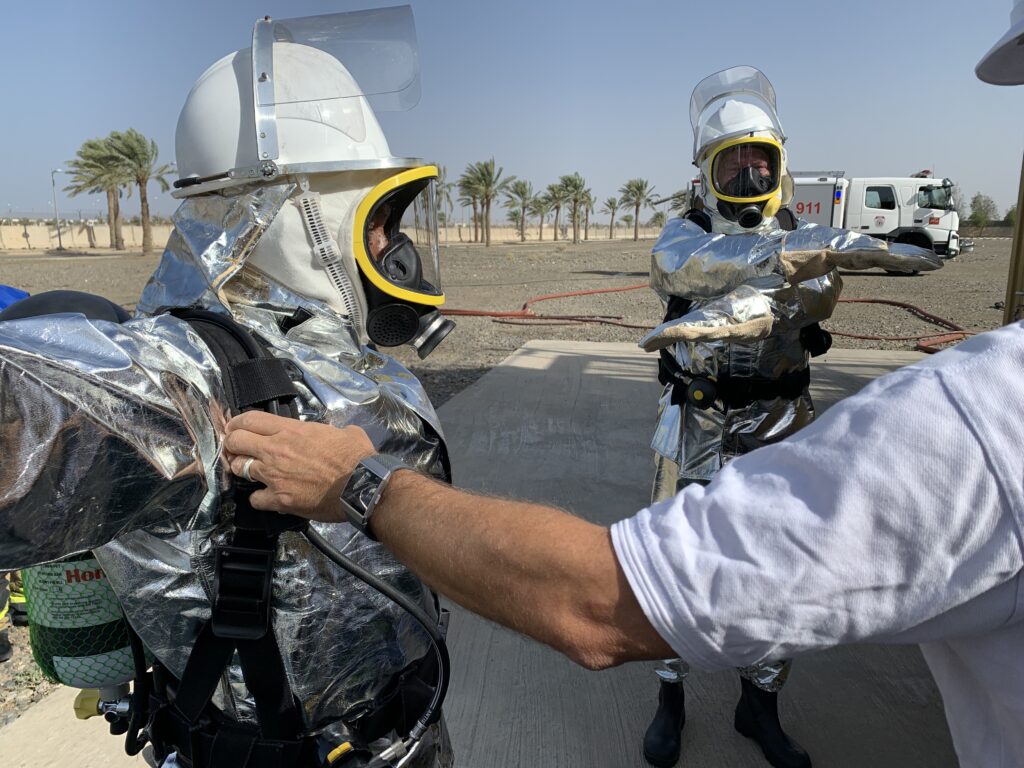
KBD designed protocol-led, hands-on training built around KAUST’s welfare and HSE expectations.
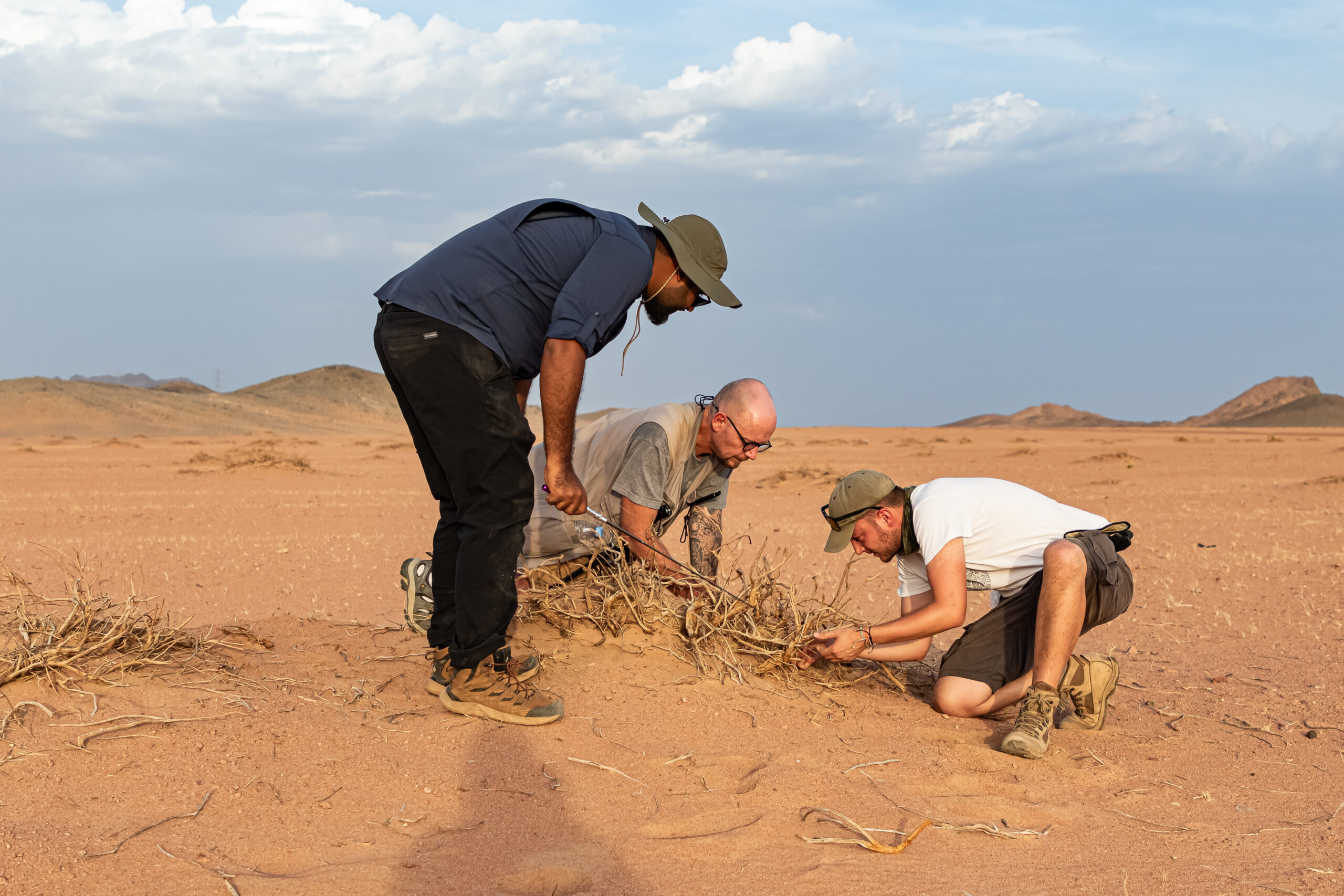
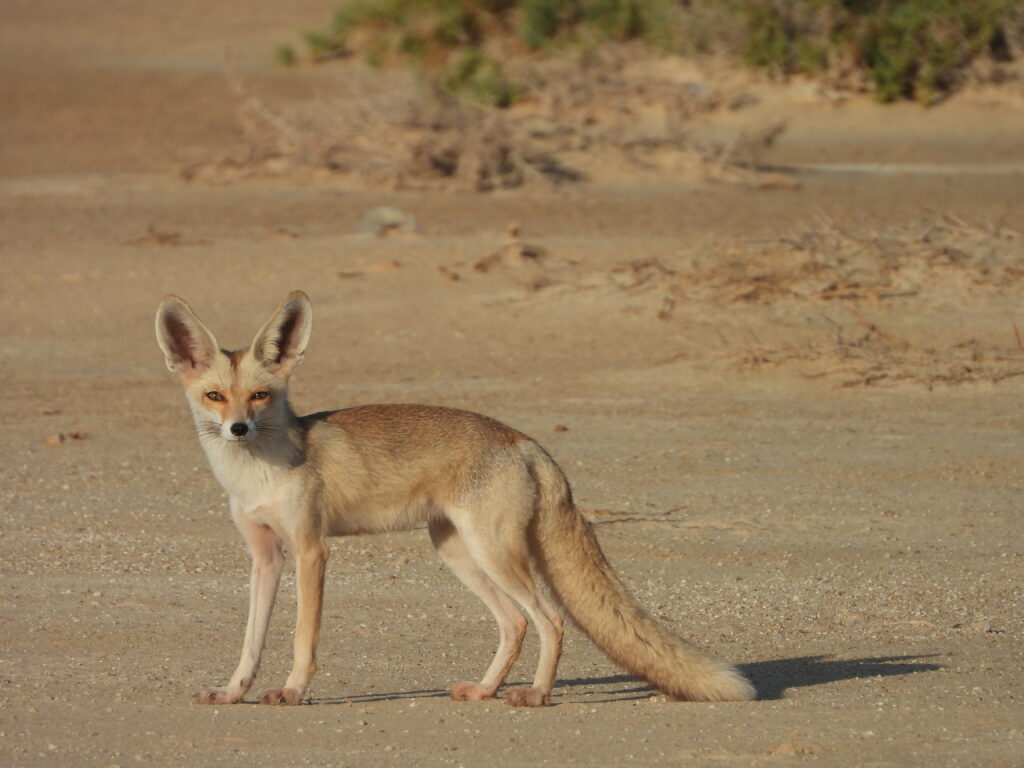
Desert wildlife sessions covered burrow identification, status assessment, low-stress capture and handling, safe transport, standard morphometrics, and structured data collection. Training was delivered at multiple representative field sites to ensure realistic practice.
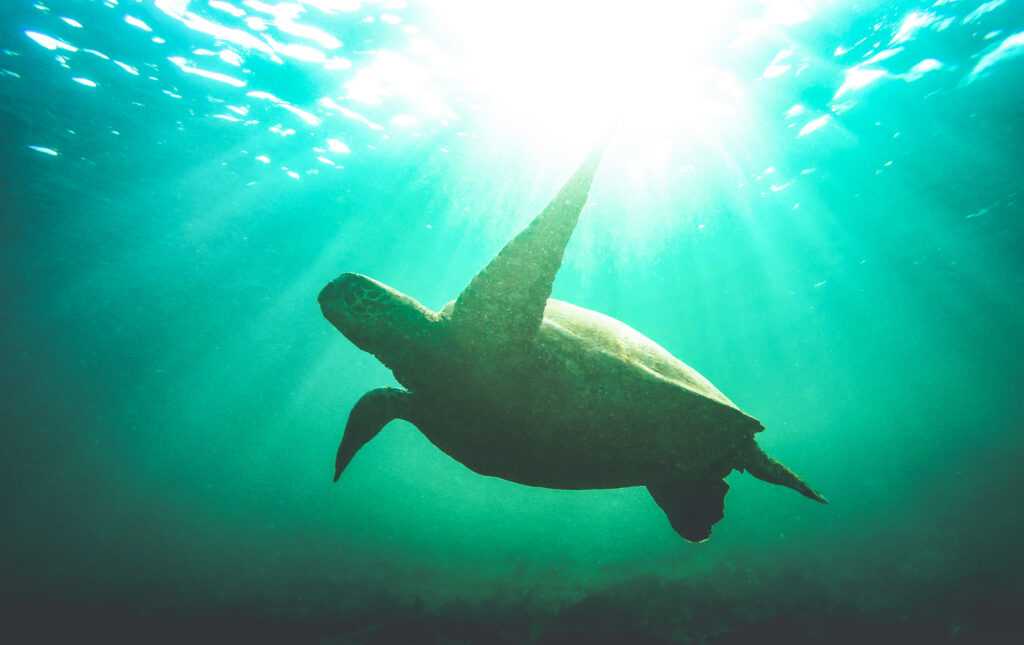
Marine ranger training combined classroom instruction with coastal fieldwork. Participants learned turtle morphometrics, nesting beach surveys, nest assessment and excavation, tagging procedures, and reliable, repeatable data recording. Additional modules introduced digital tools such as photogrammetry, geophysical surveying techniques, and remote-operated systems.
Across both programs, emphasis was placed on: