Contact us

Ecosystem Approach to Fisheries Management in Saudi Arabia

The Red Sea is one of Saudi Arabia’s most valuable natural assets. Its coral reefs, mangroves, and seagrass beds provide food and shelter for a wide variety of marine life and support the livelihoods of coastal communities. Saudi Arabia’s waters cover 23% of the entire Red Sea, giving the Kingdom an extraordinary responsibility and opportunity to manage these resources wisely.

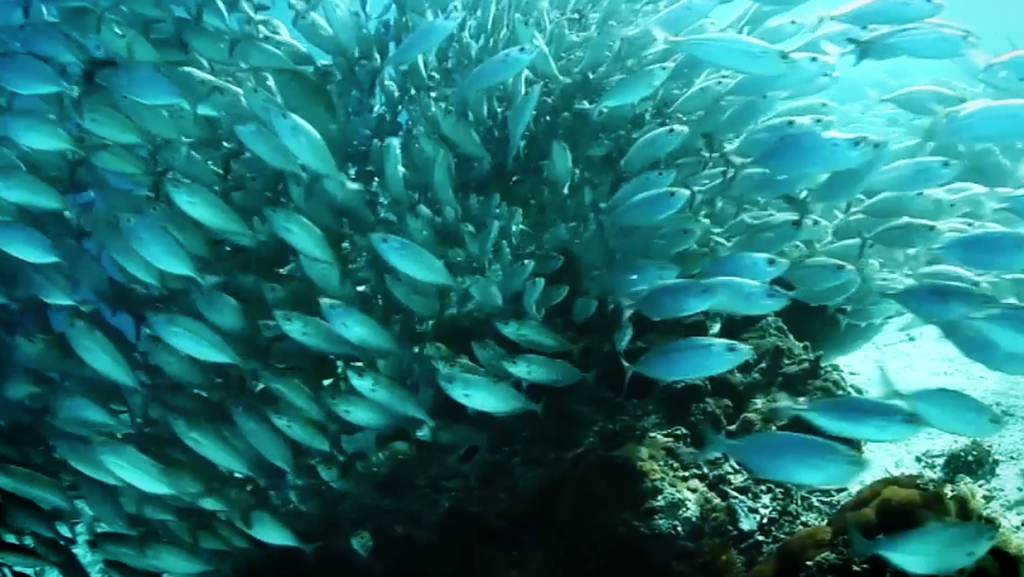
Fishing along the Saudi coast is mostly traditional and small-scale, but a lack of enforcement and compliance with current regulations have put pressure on the fish stocks and compromised the sustainability of the traditional fisheries. Overfishing has been a growing problem since the 1990s, threatening both biodiversity and food security.

To secure the future of this vital sector, the Ministry of Environment, Water and Agriculture (MEWA) launched a major fisheries stock assessment project in 2022, carried out by King Abdullah University of Science and Technology – Beacon Development (KBD). This project set out to deliver the most comprehensive, science-based evaluation of Red Sea fisheries in the Kingdom’s history.

Surveying from Duba to Jizan

Between February 2022 and May 2023, KBD conducted monthly surveys along Saudi Arabia’s entire Red Sea coastline, from the far north to the southern border.

They regularly visited ten major fish landing sites and nearby markets, including four large auction centres. During the study, more than 33,000 fish and over 600 spiny lobster specimens were collected directly from fishermen, markets, and auctions.

From these samples, detailed biological information was recorded, including size, weight, sex, maturity, and age. This was the largest and most comprehensive study of Red Sea fisheries ever carried out in Saudi Arabia.

The analysis included understanding growth patterns, maturity, mortality, and current fishing pressure for each species.

KBD assessed the status of eighteen commercially important species, including groupers, snappers, emperors, parrotfish, tuna, mackerel, wrasse, trevally, rabbitfish, spiny lobster, and sea cucumber.

Because Red Sea fisheries involve many species, fleets, and gear types, and fishing effort cannot be easily separated by target species, KBD experts recommended developing and implementing an Ecosystem-Based Fisheries Management Plan that considers the entire ecosystem including ecological, social and economic factors.

This plan will consider all factors that influence the health of the ecosystem and will be developed in collaboration with government agencies, fishermen, local communities, scientists, and the fishing industry. It will include a range of measures to support sustainable fisheries while integrating traditional practices.

Impact

This work supports the long-term development of an ecosystem-based fisheries management plan for the Saudi Red Sea in alignment with international best practices.

  • The Assessment marks a turning point in how the Kingdom manages its Marine Resources

    This assessment gives Saudi Arabia its first comprehensive, science-based view of key Red Sea fisheries. It strengthens national leadership in sustainable marine management and establishes the foundation for a long-term Fisheries Management Plan that safeguards biodiversity, supports communities, and protects a vital national resource for future generations.

  • Impact

    Food Security

    Ensuring a sustainable supply of fish for the Kingdom.

    Economic Growth

    Supporting the fishing industry and local communities.

    Biodiversity

    Conserving coral reef and coastal ecosystems that are globally unique.

    Meet your Expert

    With a multidisciplinary team of over 150 professionals KBD combines local talent with global experts under one roof. Our mission is to drive transformative change and help achieve the nation’s Vision 2030 by providing strategic, science-backed solutions.

    Dr. Mark Dimech
    Marine Director

    Our Expertise and Focus Areas