Contact us

Fisheries Socio-economics in NEOM

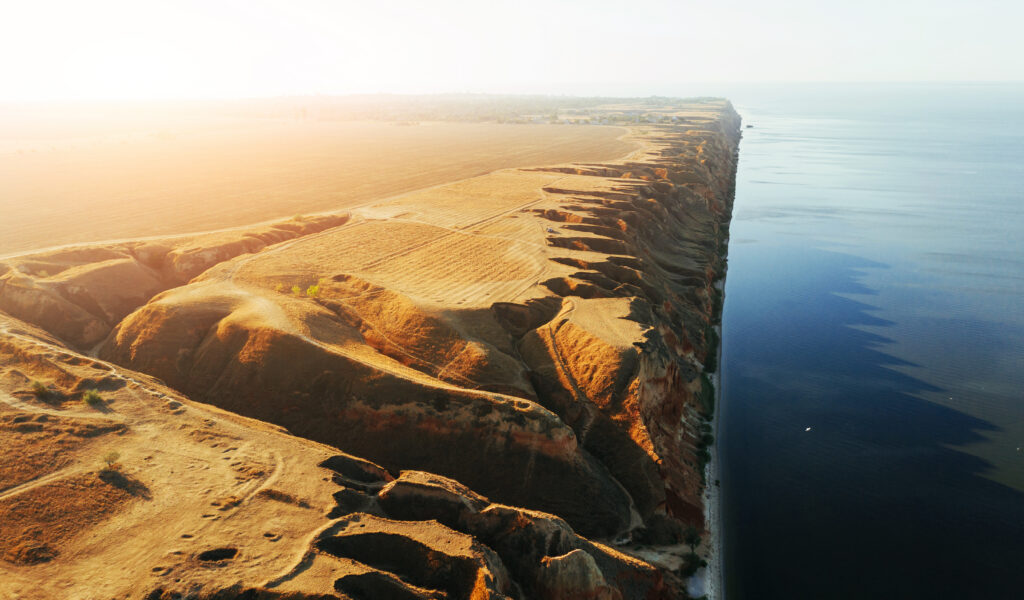
Small-scale fisheries are an economically and culturally important sector in rural coastal areas throughout the Red Sea, including in the NEOM area where there are a long-standing fishing culture and economy.The NEOM area constitutes a significant portion of the Red Sea coastline. Rich marine biodiversity, including coral reefs, various fish species, and other marine life contribute to the importance of the valuable marine ecosystems of the NEOM area. The coastal area of NEOM is crucial for the Red Sea region’s ecosystems and plays a vital role in supporting marine biodiversity and fisheries.

In 2023, the NEOM Nature Reserve established the NEOM Sustainable Fisheries Program, a three-year program which aligned with the National Red Sea Sustainable Strategy, with a goal of restoring and maintaining ecosystem function and fish community diversity and abundance.

This goal will be achieved by implementing an Ecosystem Based Fisheries Management Plan that considers the entire ecosystem including ecological, social and economic factors.

The King Abdullah University of Science and Technology, Beacon Development Department (KBD) has supported the NEOM Nature Reserve in achieving its goal conducting two comprehensive studies on the socio-economic situation of the local fishers in 2023 and 2024. These studies aimed to collect and gather detailed fisheries socio-economic information to fill the information gaps on the fishing fleet, recreational fishing, Local Ecological Knowledge and Alternative Livelihoods.

A vital sector, limited socio-economic data

As part of KBD’s support to the NEOM Nature Reserve Sustainable Fisheries Program, our Fisheries team conducted the following fisheries socio-economics surveys

The fleet registration systems for commercial and recreational vessels in the NEOM Nature Reserve was examined, aiming to collect data on fleet composition and activities registered under the Ministry of Environment, Water and Agriculture.

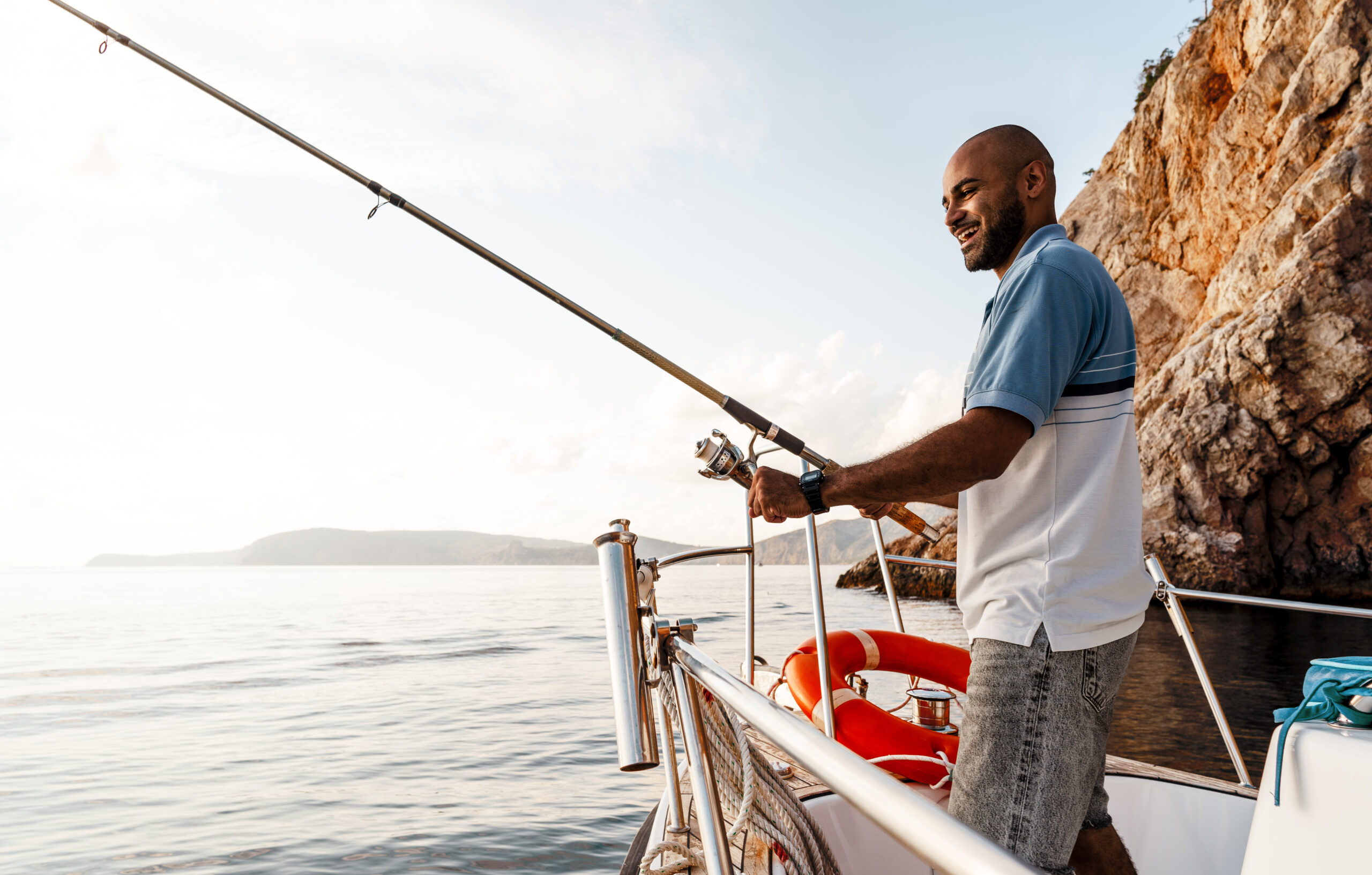
The recreational fishing survey was carried out targeting all recreational fishing modes aiming to obtain information about the number of marine recreational fishers in the NEOM area and to characterize fisher’s sociodemographic profiles, fishing habits, catches, motivations, expenditures, and knowledge and attitudes toward conservation of the resources.

During the Local Ecological Knowledge survey, face-to-face interviews with the marine ecosystem users were conducted. The respondents provided valuable and honest data on fishing practices, commercial fish species and marine megafauna abundance and trends.

The Alternative Livelihood study aimed to assess the viability and possible efficacy of implementing other revenue-generating activities in the context of the NEOM Sustainable Fisheries Program.
Impact

These studies significantly enhanced our insights into the intricate dynamics of the local fishing industry, laying a robust foundation for informed decision-making and sustainable resource management in the NEOM Nature Reserve.

They inform fisheries policy and regulations in the NEOM Nature Reserve and contributes to the development and implementation of the NEOM Nature Reserve’s FAO Ecosystem-Based Fisheries Management Plan which was the first developed in Saudi Arabia.

  • Why It Matters

    A defensible, people-centred evidence base for policy and investment: a full vessel audit across all NEOM ports, commercial interviews, on-site and off-site recreational surveys, LEK interviews, and alternative-livelihood interviews—evidence that informed Saudi Arabia’s first FAO EBFM plan.

  • Impact

    Decision-Grade Evidence

    Delivered robust socio-economic data to inform sustainable fisheries management and regulatory decision-making in the NEOM Nature Reserve.

    Policy into Practice

    Directly supported the development and implementation of Saudi Arabia’s first FAO-aligned Ecosystem-Based Fisheries Management Plan.

    Future-Ready Baselines

    Established long-term socio-economic baselines to support adaptive management, monitoring, and alternative livelihood planning.

    Meet your Expert

    With a multidisciplinary team of over 150 professionals KBD combines local talent with global experts under one roof. Our mission is to drive transformative change and help achieve the nation’s Vision 2030 by providing strategic, science-backed solutions.

    Dr. Mark Dimech
    Marine Director

    Our Expertise and Focus Areas