Contact us

Designing with Nature: Red Sea Coastal Development

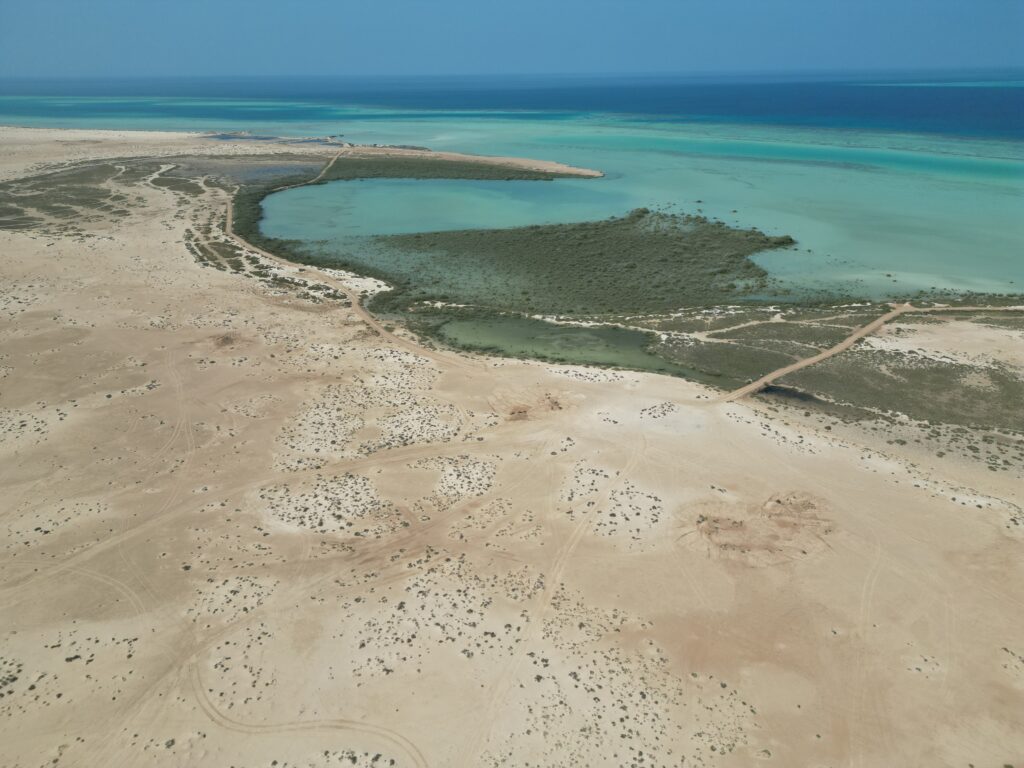
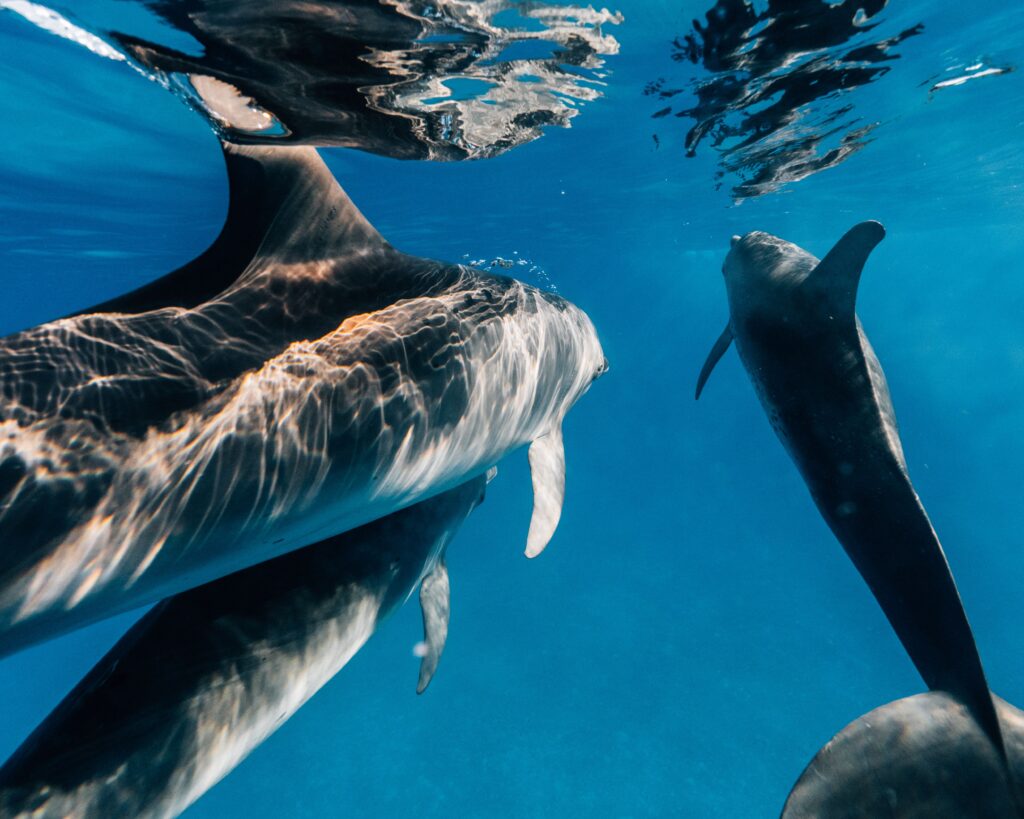
Red Sea Global (RSG) are currently undertaking the development of luxury tourism and residential destinations on the west coast of Saudi Arabia. The Red Sea destination, which first opened to guests in 2023, is based predominantly around an archipelago of 92 islands within a coastal lagoon, the area is characterised by high-quality marine and coastal ecosystems that support a range of high conservation priority species.

The implementation of proposed development plans places an inherent risk on these natural systems. Since the inception of the project, KBD has supported RSG with the provision of specialist environmental input.

To ensure that land use planning is reactive to environmental constraints and opportunities, KBD have pioneered an environmental design approach that aims to ensure environmental considerations are embedded within land use planning from project inception through to detailed design. This case study highlights how early, science-based input can inform adaptive, land-use planning, an approach that has not previously been employed consistently in the Arabian Region.

Balancing Development and Ecology

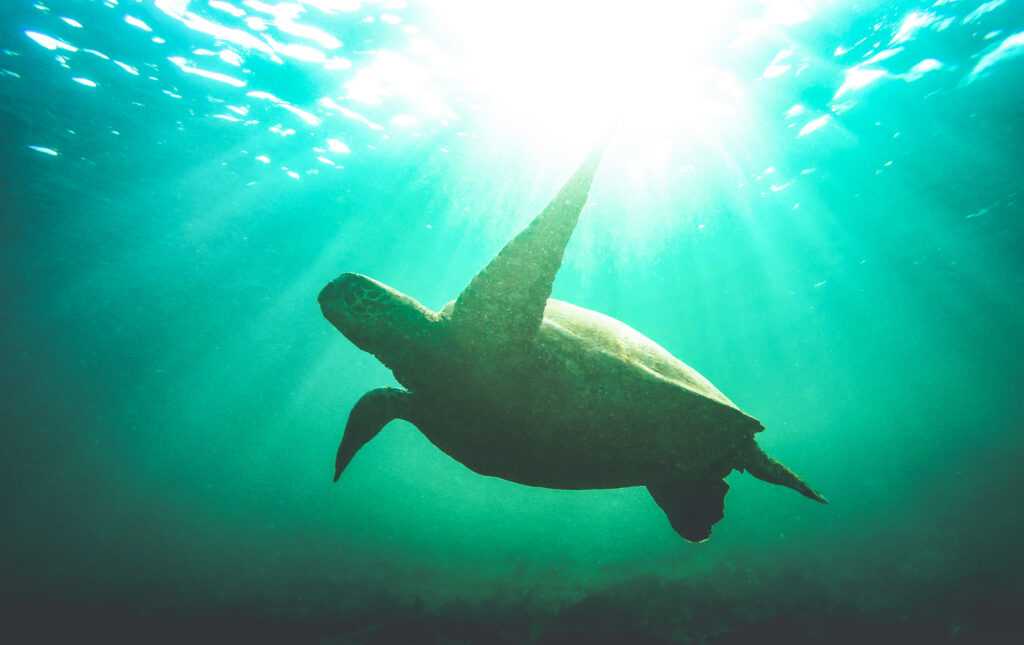
Set within the ecologically rich Al Wajh Lagoon, The Red Sea destination is one of the world’s most ambitious tourism developments. With 92 islands the lagoon contains vital coastal ecosystems, including coral reefs, seagrass beds, mangrove stands, and turtle nesting beaches. RSG has established itself as a regenerative tourism developer, setting the ambitious target of a 30% increase in conservation value by 2040. 

Designing with Nature

KBD and RSG have developed a structured approach to environmental planning that allows for informed decision-making throughout the design process. The environmental design approach seeks to identify key environmental constraints and opportunities at project inception. Working with design teams to review design iterations, inherent protection measures are embedded into the design. 

Data and guidance derived from environmental survey, habitat mapping and met-ocean modelling studies are utilized to inform and guide the masterplan design. During early conceptual design phases, RSG design teams and architects are informed of sensitivities through stage-gate workshops. Guidance employs the mitigation hierarchy with avoidance of impacts prioritized through modification of design. A feedback loop ensures the process is iterative, ensuring continuous design improvement,  and early avoidance of impacts.

Critical factors such as the presence of species of conservation priority, habitat protection, sediment dynamics, water quality, coastal processes and beach morphology are evaluated to shape a development that is both functional and ecologically responsive. As the project progresses and understanding of the local systems improves, challenges with reconciling the needs of the development with conservation objectives are identified and addressed at both a regional and individual asset level.

Impact

This approach has:

This approach showcases how early, informed engagement with key stakeholders and design teams facilitates informed land use planning, enhancing preservation of sensitive biodiversity, long-term development value, and setting new standards for coastal development in ecologically sensitive coastal regions.

  • Beyond Compliance

    This initiative goes beyond traditional environmental compliance. It sets a new benchmark for coastal land use planning, where environmental data informs science-led decision making.

  • Impact

    Sustainability by Design

    Environmental intelligence embedded from concept to completion

    Biodiversity Protection

    Safeguarding coral reefs, mangroves, seagrass and turtles nesting habitats

    Data-Driven Decisions

    Using science and monitoring to guide every design iteration

    Meet your Expert

    With a multidisciplinary team of over 150 professionals KBD combines local talent with global experts under one roof. Our mission is to drive transformative change and help achieve the nation’s Vision 2030 by providing strategic, science-backed solutions.

    David McGarth
    Associate Director Coastal Ecosystem Management and Restoration

    Our Expertise and Focus Areas